Quick facts (public info only)
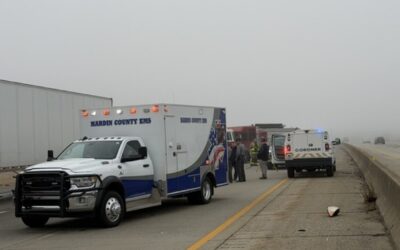
On Wednesday morning, Dec. 31, 2025, traffic was significantly impacted on I-75 southbound at mile marker 112 in the Lexington area of Fayette County. The Lexington Fire Department reported a five-vehicle crash involving two semi trucks and three other vehicles. Public reporting did not identify any carrier names or USDOT numbers at the time of the initial update.
Why multi-vehicle semi crashes can get complicated
When a crash involves multiple vehicles and more than one semi, fault often depends on details that aren’t obvious from the first reports—like following distance, braking timing, lane changes, visibility, speed differentials, and whether a commercial vehicle driver was fatigued or operating under time pressure. The earlier the key evidence is preserved, the clearer the liability picture becomes.
Who may be liable (fact-dependent)
Based on how these cases typically work, potential responsible parties may include:
-
The drivers involved (including both semi drivers, depending on the sequence of events)
-
The motor carriers/employers for the semi drivers (once identified)
-
A maintenance provider (if mechanical issues like brakes/tires are supported by evidence)
-
A shipper/broker (in limited situations, if dispatch pressure or unsafe scheduling is supported by evidence)
Kentucky liability is fact-driven, and early assumptions can be wrong. The best approach is to preserve the data that shows what happened second-by-second.
Evidence that matters most in a chain-reaction crash
For collisions involving multiple vehicles and commercial trucks, the evidence that often matters most includes:
-
ELD and telematics data (speed, braking events, location history, hours-of-service)
-
Dash-cam footage (truck-mounted and any nearby vehicles)
-
ECM (“black box”) data and trailer ABS events (where available)
-
Dispatch and load records (route timing, delivery windows, cargo details)
-
Scene documentation (photos, measurements, vehicle resting positions, debris field)
-
911/CAD logs and any available traffic-management records tied to the slowdown and response
Many commercial systems overwrite data quickly, so preserving it early can make or break the ability to prove what happened.
What to do if you were involved or injured
-
Get medical care first, and keep follow-up appointments even if symptoms feel delayed.
-
Save your own evidence: dash-cam clips, photos, and notes about the timeline and traffic conditions.
-
Collect witness information if you can do so safely.
-
Be careful with insurance calls, especially recorded statements, until you understand what evidence exists.
-
Track losses: missed work, transportation costs, prescriptions, and how your injuries affect daily life.
How Morrin Law Office helps after a semi-truck crash on I-75
Commercial-vehicle crashes move fast behind the scenes—vehicles get towed, data can be overwritten, and insurers may contact drivers quickly. Morrin Law Office helps by:
-
Acting quickly to push for preservation of key commercial evidence (like ELD/telematics, dash-cam, ECM, and dispatch records, when available)
-
Helping identify the correct carrier and insurer when public reports don’t name them
-
Explaining what matters in a multi-vehicle semi crash in plain English and outlining options without pressure
-
Coordinating next steps so you can focus on recovery while the evidence is secured
If you need help after a crash involving a commercial truck in Kentucky, you can reach Morrin Law Office at (859) 358-0300 or visit our website.
What we still don’t know (as of the initial report)
-
The carrier names and USDOT numbers for the semis
-
Whether any citations were issued
-
The full injury picture (public reporting focused on traffic impact and involved vehicles)
We update posts like this when officials or reputable outlets release new, verifiable information.
Source: LEX18 traffic report citing the Lexington Fire Department’s update on the I-75 SB mile marker 112 crash involving five vehicles, including two semis (posted the morning of Dec. 31, 2025).
0 Comments